Do You Need a Property Survey When Buying in Calvert County?
RETURN TO BLOG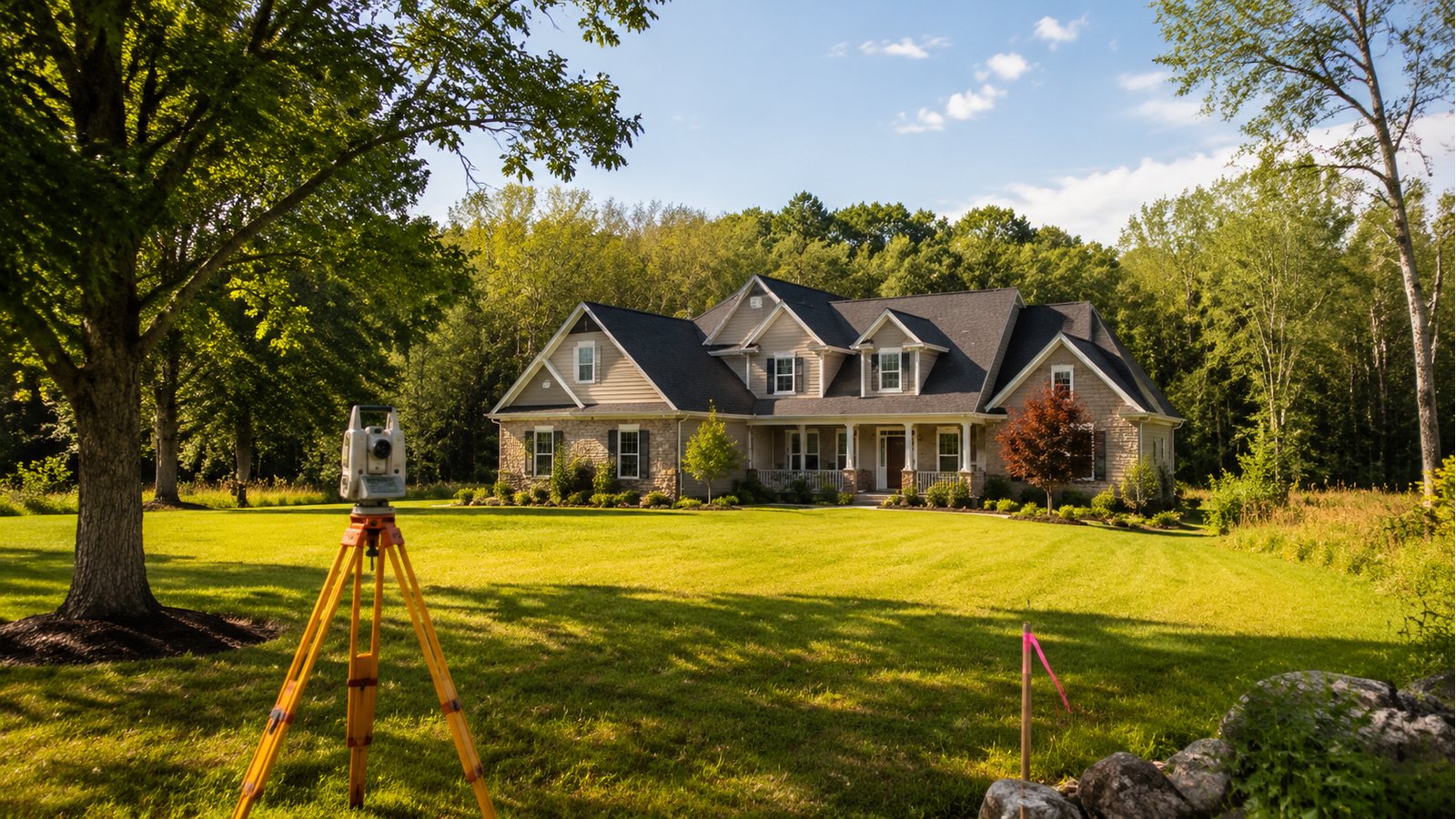
A fence, lawn edge or old online map may not show the legal boundary, easements or encroachments that affect a Maryland property.
People often discover this issue only after they are under contract. That is too late to begin gathering the documents that define the risk. In Calvert County, rural land, wells, septic systems, waterfront conditions, private access and unusual improvements can make two nearby properties very different.
Dawn's practical rule: Verify the property, not the promise. Identify the risk, compare the options and structure the contract around the facts that matter to this buyer or seller.
Know what type of survey you are ordering
A location drawing, boundary survey and ALTA-style product serve different purposes and have different levels of fieldwork and precision. Ask the surveyor and title company which product fits the property and the buyer’s concern.
For a Calvert County transaction, turn that concern into a written checklist. Identify the record or professional needed, assign a deadline, and decide what result would cause you to proceed, renegotiate or stop. That preparation creates leverage because the decision is based on facts instead of pressure at the end of the contingency period.
Use the title work and plat together
Recorded easements, rights-of-way and restrictions may affect where improvements sit and how the land can be used. A survey can help place those rights on the ground, but the title professional must interpret the recorded instruments.
For a Calvert County transaction, turn that concern into a written checklist. Identify the record or professional needed, assign a deadline, and decide what result would cause you to proceed, renegotiate or stop. That preparation creates leverage because the decision is based on facts instead of pressure at the end of the contingency period.
Pay extra attention to acreage and waterfront
Irregular parcels, old fences, shared driveways, shoreline changes, piers, sheds and detached buildings create more opportunities for assumptions to be wrong. Waterfront boundaries can involve specialized questions beyond an ordinary house location drawing.
For a Calvert County transaction, turn that concern into a written checklist. Identify the record or professional needed, assign a deadline, and decide what result would cause you to proceed, renegotiate or stop. That preparation creates leverage because the decision is based on facts instead of pressure at the end of the contingency period.
Resolve questions before improvements
A buyer planning a fence, pool, addition, garage or tree removal should not rely on a seller’s recollection. Confirm the boundary, setbacks and permit requirements before spending money or creating a neighbor dispute.
For a Calvert County transaction, turn that concern into a written checklist. Identify the record or professional needed, assign a deadline, and decide what result would cause you to proceed, renegotiate or stop. That preparation creates leverage because the decision is based on facts instead of pressure at the end of the contingency period.
A stronger contract and negotiation plan
Good due diligence is not about checking every possible box. It is about identifying the few facts that could materially change value, use, financing, insurance or resale. The offer should give the right professional access and enough time to produce a meaningful answer.
As an Associate Broker and Master Certified Negotiator with 25+ years in real estate, Dawn Riley combines local property knowledge with Maryland contract strategy. Her career record includes 1,338+ sales and $532,653,786+ in volume, with average sold-to-list statistics over 101%. Those numbers establish experience, but the strategy still has to fit the individual property.
The Bottom Line
A fence, lawn edge or old online map may not show the legal boundary, easements or encroachments that affect a Maryland property. Collect the right records early, use qualified professionals and make the contract deadlines support a real decision. This article provides general real estate information, not legal, tax, engineering, environmental, insurance, title or lending advice.
Frequently Asked Questions
Start with the recorded, permitted or official documents that control do you need a property survey when buying in calvert county?. Do not rely only on a prior listing, tax record or verbal explanation.
No. A Realtor can organize the due-diligence plan and contract deadlines, but legal, engineering, environmental, insurance, lending and title conclusions belong to the appropriate licensed professional or agency.
Before the applicable contingency or feasibility deadline, with enough time to obtain records, ask follow-up questions and make a reasoned decision.
Available permits, invoices, surveys, plans, inspection reports and correspondence can be useful, but buyers should independently verify material facts.
No. An inspection reports observed conditions and test results at a point in time. It does not guarantee future condition or eliminate every risk.
Yes. Depending on the issue and loan program, a lender or appraiser may require documentation, repairs, legal access, insurability or other conditions.
Yes. Cost, uncertainty, usability, marketability and future resale can affect what buyers will pay and how an appraiser analyzes the property.
No. Tax records are helpful screening tools but may not establish permits, boundaries, legal use, septic capacity or title rights.
Use clear deadlines, access rights, document requirements and remedies tailored to the property. Dawn can explain Maryland real estate forms and strategy, while legal advice should come from an attorney.
The right contact may include Calvert County Planning and Zoning, Environmental Health, Inspections and Permits, a title company, lender, insurer, surveyor, engineer or attorney, depending on the question.
Sources Cited
- Calvert County, Constructing a New Building
- Maryland Department of the Environment, Residential Wells
- Maryland Department of the Environment, Onsite Disposal Systems
- FEMA, Flood Maps and Insurance
Agency requirements and webpages can change. Confirm current property-specific information directly with the responsible agency or licensed professional.
About Dawn Riley
Dawn Riley is an Associate Broker, Realtor, Master Certified Negotiator and Pricing Strategy Advisor with The Riley Team at Deep Roots Real Estate. She helps Calvert County and Southern Maryland buyers and sellers make clear decisions about pricing, contracts, negotiation and property-specific risk.
Talk with Dawn or call 410-414-2438.