Raw, Unimproved or Shovel-Ready? What to Check Before Buying Land
What I cover in this video
In the video, I describe three labels buyers may hear while shopping for land. Raw land is generally at the beginning of the process. A lot described as unimproved might already have some work or a utility in place. A listing described as shovel-ready suggests more of the work has been done.
Watch the video
Raw land comes with unanswered site questions
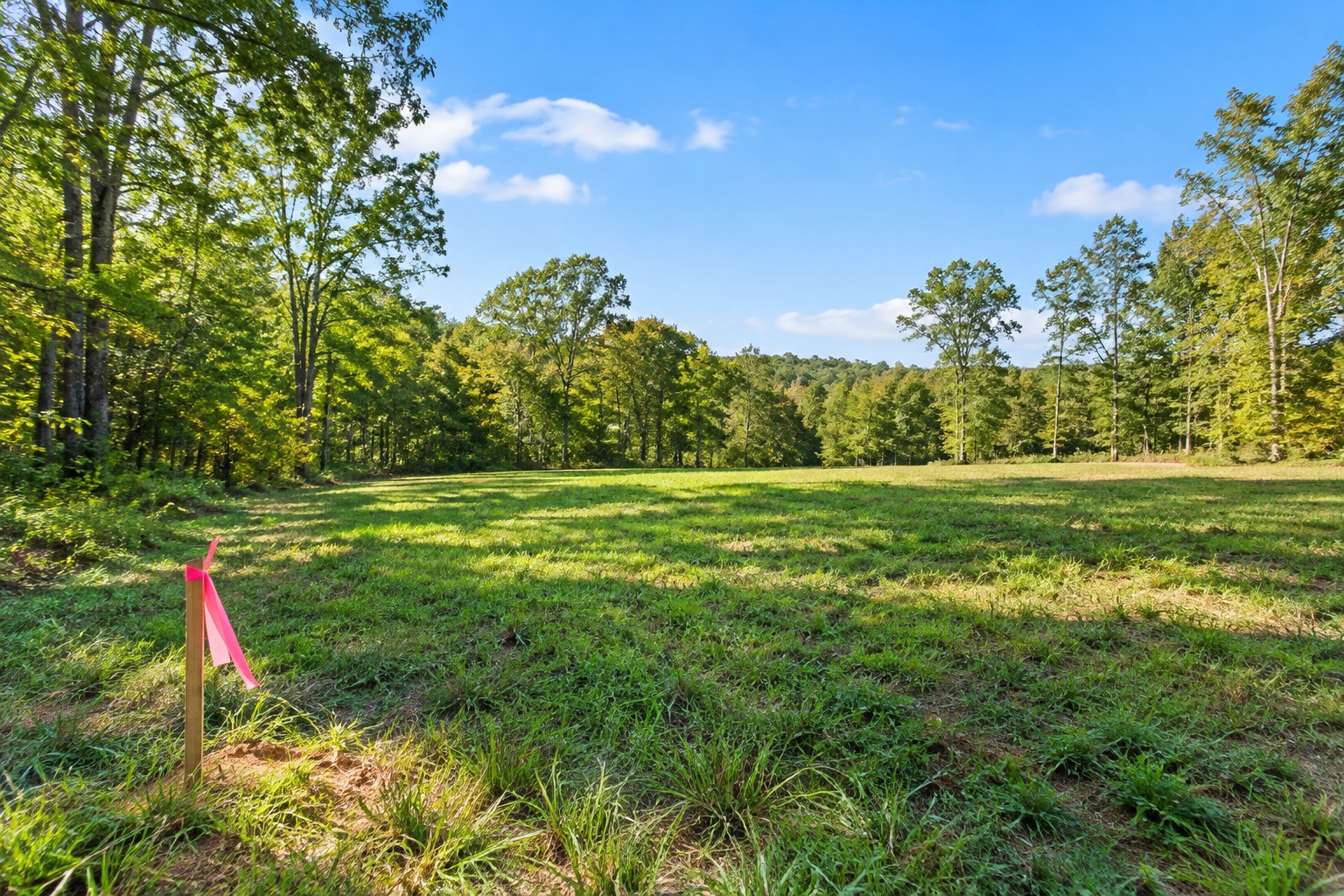
When I say “raw,” picture walking a parcel where you still need to work out access, water, wastewater and power. Start at the road and trace how each service would reach the house. A low asking price becomes easier to evaluate once you have rough costs for those routes and a realistic timetable for the work. Calvert County residential permitting process.
What does “unimproved” mean in this listing?
In the video I give the example of a lot with one improvement, perhaps electric or a well. Sellers use the term differently. Ask exactly what has been installed, where it is and what records document it. For an existing well, ask Environmental Health what it has on file and what evaluation your planned home would need. Calvert County private well guidance.
What makes a lot shovel-ready for your plan?
Request the approved drawings and permit information for the work the seller says is ready. Check the permit status and the house shown on those plans. If your home has a different footprint or driveway, ask the county what needs to be revised. You’re trying to price the time saved by buying this particular lot. Calvert County permit status lookup.
Soil questions continue at the foundation
Even after a lot has utilities, ask your builder what is known about the ground under the proposed foundation. If engineered fill, a soil evaluation or a change in excavation is called for, find out who arranges it and whether the price includes it. A septic perc result answers a wastewater question, separate from the foundation design. Calvert County perc test guidance.
Compare the work left to do on each lot
If one listing says electric is available, ask where. A line along the road and service brought to your proposed house site represent different amounts of work. Give the utility the parcel number and ask what it would take to serve the location you have in mind.
For a lot marketed as shovel-ready, request copies of the documents behind that description. Look at the house footprint on the approved drawings with your builder. A plan prepared for a narrow two-story house may need changes for the one-story house you want.
Read the video transcript
Transcript from the original recording, with light edits for readability.
0:00 Okay the first thing we're going to talk about is buying and purchasing the land to build your new home. There are several different types of land and these are the keywords that you need to know. The first one is an undeveloped or raw land. Raw land is exactly that. It's undeveloped. There's no utilities, there's no water, there's no sewer, there's no electric. There may be, maybe a road there. Only a good thing about raw land. It is the least expensive but you are going to require more time to get it developed and then also it's going to take a lot more cash.
0:34 There's also a lot called an un-improved land or lot. That is a piece of land that's one step up from undeveloped and raw. It usually has one utility, sometimes a well, sometimes electric. The final one is called, we call it a shovel ready, which is exactly that. Everything's been done. All the permits, it's ready to go. Typically it just needs a soil test so they can figure out exactly what soil needs to be put in or brought in for the foundation. Stick around. The next video is all about financing that land.
Frequently asked questions
Ask for available surveys, utility information, site plans and approvals, including their dates and the plans they cover.
Ask for estimates of the remaining site work on both, then compare the combined land and preparation costs using the same house.