Can Your Family Build More Than One Home on the Same Property?
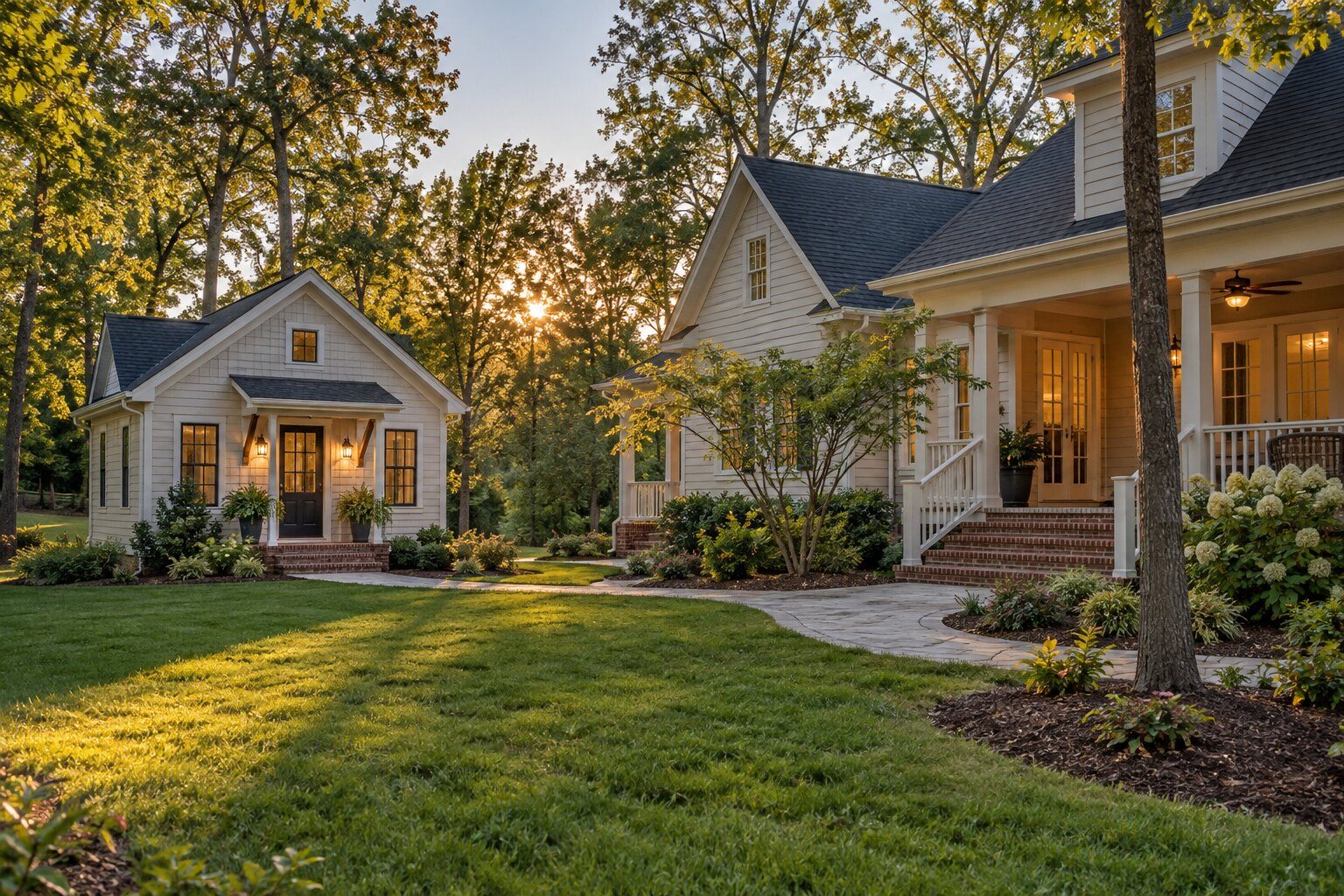
What I cover in this video
I joke about a family compound in the video, but the first call I’d make is serious. Ask your zoning office how it would evaluate your parcel. I discuss three ideas to ask about, including an accessory dwelling, a family conveyance and subdivision.
Watch the video
Describe the family’s plan to zoning
Before calling, write down how many households would live there, how many kitchens and entrances you have in mind and whether each family hopes to own its home separately. A planner can use that information and the parcel number to direct you to the current options. “Family compound” alone leaves too much open. Calvert County zoning resources.
An accessory home or apartment
If the goal is to keep a parent nearby on the same property, ask about an attached apartment and a detached accessory dwelling. Ask which design, parking and wastewater requirements apply to that lot. The size and acreage examples from the recording reflected the discussion at the time. Have the county check your proposed design under today’s rules. Calvert County zoning resources.
What family conveyance means for the deed
A family conveyance raises questions about the parcel’s history, who can receive the lot and what restrictions would appear on the recorded documents. Calvert County lists a 2026 ordinance addressing family conveyance requirements. Bring the deed to Planning and Zoning and have a local attorney explain the restrictions before relying on a particular holding period. Calvert County ordinances, including 38-26 on family conveyance.
Creating separate lots
If each household wants to borrow on or sell its home independently, ask what it would take to subdivide. Have the engineer show access, utilities and wastewater service for every proposed lot. Then price the surveying, review and shared improvements. The cost question is what it takes to create several usable home sites from this one parcel. Calvert County subdivision ordinance.
Start with how each household wants to own the property
Two families might draw the same pair of houses and have very different goals. One wants a nearby place for a parent to live. The other wants each household to hold title and arrange its own mortgage. Explain that distinction in your first conversation with the county.
Plan for changes in the family. If one household moves away, what happens to the shared lane, the well or the cost of maintenance? Talk those questions through with a title professional or attorney while you still have choices about the layout and ownership.
Read the video transcript
Transcript from the original recording, with light edits for readability.
0:00 Please tell me you're building a family compound for the zombie apocalypse, because I am all here for it. If it was in my county, this is what I would do, contact zoning. There's a couple different ways you could do the family compound. First, easiest way is to have about 10 acres in my county and you can build an accessory house, an accessory tenant house, an accessory apartment, 900 square foot, that's one house right there. The second way is a family conveyance, which might work best for you. You can have one property with several different homes on that property. Now, in the deed, it will state that the family members have to stay there within a certain amount of times, usually I see five years.
0:37 And lastly, the more expensive one is actually buying a piece of property and subdividing it for your family members. In all three cases, you need to contact the zoning office at your local county or state level. I hope this helps. Cheers.
Frequently asked questions
Ask planning staff to review the specific parcel, current zoning and proposed use. Lot size is only one piece of that review.
Bring a sketch, the parcel number, your ownership goals and a list of anything the households expect to share.