Can an In-Law Suite or Garage Apartment Be Rented in Calvert County?
RETURN TO BLOG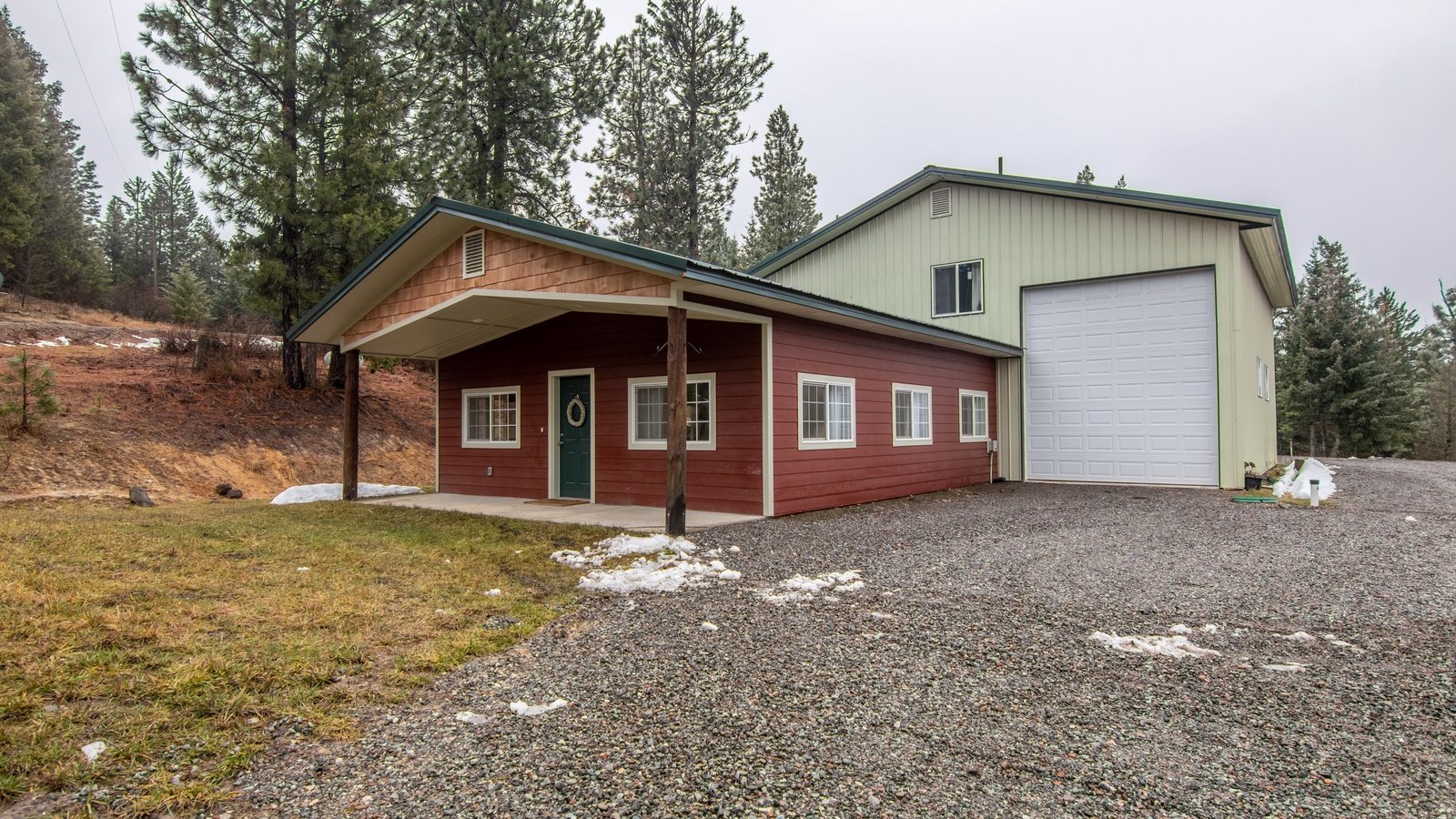
A finished space with a kitchen and separate entrance may look rentable, but appearance does not establish an approved dwelling unit. The current zoning, permits, septic capacity and construction record control the answer.
Calvert County properties often have in-law suites, basement living areas, rooms over garages or detached apartments. Those features can add flexibility and buyer appeal.
The mistake is assuming that every second living area can be advertised or leased as an independent apartment. The county’s zoning rules have been amended over time, and the correct answer depends on the property and the approved use.
My approach is simple.
Verify the facts early, compare the real options and protect the client’s position in writing.
Start with the permit and zoning history
Ask for building, electrical, plumbing and use permits. Compare the approved plans with the space that exists today. A room labeled “in-law suite” in marketing may have been permitted only as finished living space, not as a separate dwelling.
Verify the current accessory-dwelling rules
Calvert County has reviewed and adjusted accessory dwelling unit requirements. Because rules can change, owners should obtain a current property-specific answer from Planning & Zoning rather than relying on an old listing, neighbor or prior owner.
Check well and septic capacity
A second kitchen, bedroom or dwelling unit can affect projected water and wastewater use. Properties served by private systems may need Environmental Health review, a site evaluation or sanitary-construction approval depending on the proposal.
Related planning: TDRs and Subdivision Potential for Calvert County Landowners and How Buyers Should Evaluate Barns, Detached Garages and Outbuildings in Calvert County.
Confirm life-safety and access
Sleeping rooms, emergency escape, smoke and carbon-monoxide alarms, stairs, handrails, fire separation, heating, electrical service and safe access matter. A comfortable-looking apartment may still require corrections before occupancy.
Separate utility convenience from legal status
A separate electric meter, thermostat, entrance or mailing address can be useful, but none independently proves the unit is approved. Conversely, a legal accessory dwelling may share utilities. Verify the record.
Market only what can be supported
When selling, describe the space accurately and make supporting permits available. When renting, use a written lease, comply with licensing and tax requirements that apply, and confirm insurance coverage. Do not promise income before verifying legal use.
The Bottom Line
A finished space with a kitchen and separate entrance may look rentable, but appearance does not establish an approved dwelling unit. The current zoning, permits, septic capacity and construction record control the answer.
The right answer depends on the property, the records, the current rules and the client’s goals. A strong strategy should make the risk visible before it becomes an emergency.
Frequently Asked Questions
No. Legal use depends on zoning, permits, construction and property-specific approvals.
It may be possible on some properties, but the owner must verify current zoning, permits, setbacks, utilities and Environmental Health requirements.
No. It is a utility feature, not a zoning or occupancy approval.
No. Marketing language is not a county approval. Review the official record.
Calvert County Planning & Zoning, Inspections & Permits and the Health Department Environmental Health Division are key starting points.
Need a Clear Strategy for Your Next Move?
I will help you understand the property, compare the options and negotiate from a position of knowledge.
Dawn Riley
Associate Broker, Realtor, Master Certified Negotiator
The Riley Team at Deep Roots Real Estate
410-414-2438
dawn@dawnriley.net
https://dawnriley.net/