
The Final Walkthrough Checklist for Maryland Homebuyers
RETURN TO BLOG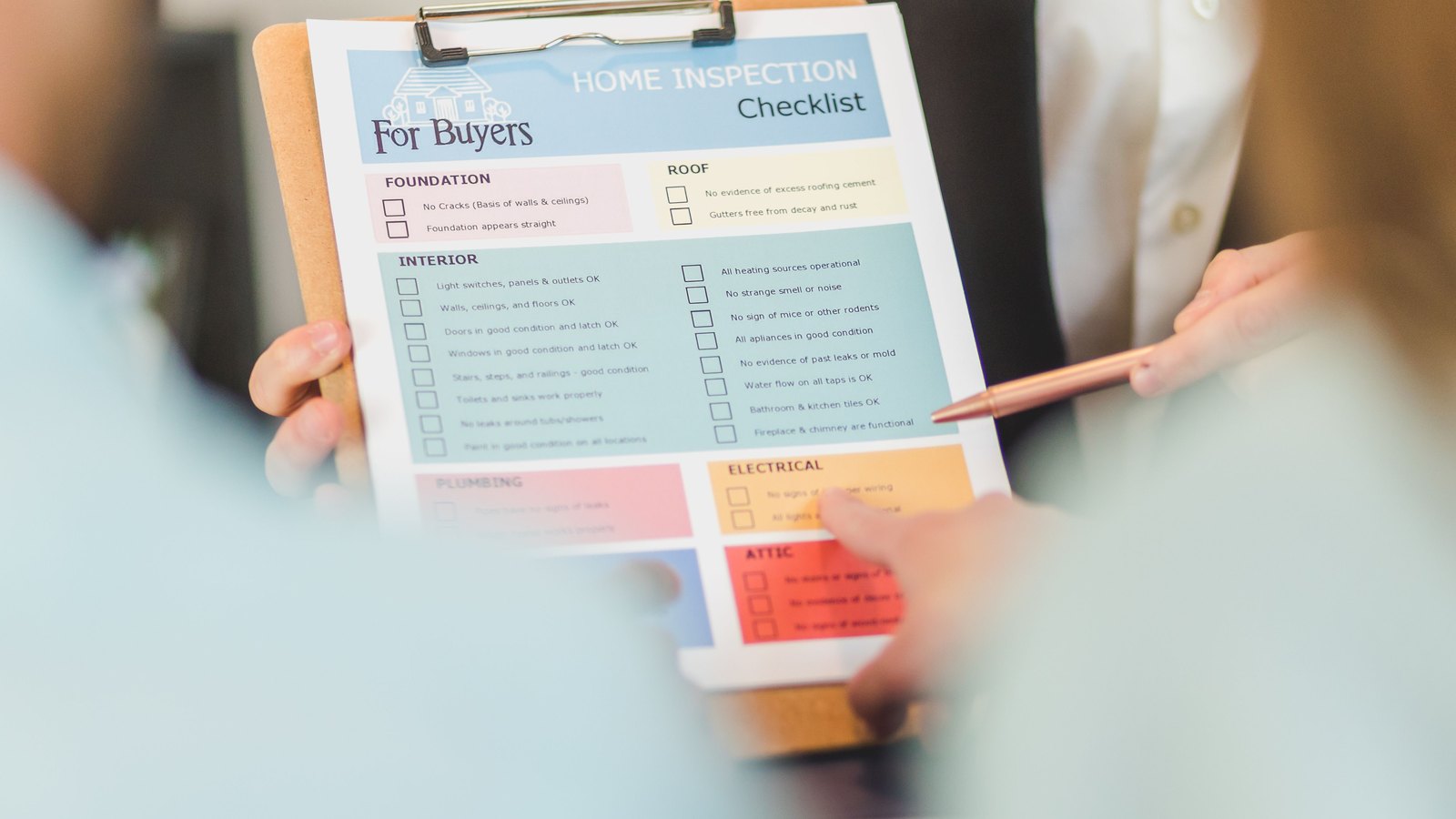
The final walkthrough is not a second home inspection. It is the buyer’s last opportunity before settlement to confirm that the property is in the expected condition and the agreed work is complete.
Good real estate advice connects the property, contract, timing and risk.
That is especially important in Calvert County, where wells, septic systems, waterfront conditions, acreage and unique communities can change the analysis.
Understand the Purpose of the Walkthrough
A final walkthrough usually happens shortly before settlement. The buyer is confirming that the home has not suffered new damage, the seller has moved out as required and the property is being delivered according to the contract.
It is not the time to reopen every inspection issue or negotiate cosmetic items that were never included in the agreement. The walkthrough should stay focused on the contract, repair agreements, included fixtures and the present condition of the home.
Bring the Right Documents
Bring the contract, inspection repair agreement, photographs of important items and any invoices or receipts the seller agreed to provide. A phone charger, flashlight and simple outlet tester can also help.
Your agent should know which personal property conveys, which items were excluded and what the seller promised to repair. Maryland contracts are detailed, and the answer should come from the signed documents rather than anyone’s memory.
Confirm the Seller Has Removed Personal Property
Walk through every room, closet, cabinet, attic, shed, garage and exterior storage area. The property should not be left full of unwanted furniture, paint cans, trash or construction debris unless the contract says otherwise.
Check that anything specifically included remains. Appliances, window treatments, mounted televisions, sheds, generators, hot tubs and other items can become disputed when the contract language is unclear.
Test Basic Systems and Fixtures
Turn on lights, run water, flush toilets, check major appliances and adjust the thermostat. Confirm that utilities are still active so the walkthrough is meaningful. Look for new leaks, storm damage, broken windows or other changes since the inspection.
A walkthrough is brief, but it should not be rushed. Buyers who are also concerned about appraisal limits should review what an appraisal does and does not cover.
Verify Agreed Repairs
Inspect every repair the seller agreed to make. Compare the completed work with the written repair agreement. If licensed contractors or receipts were required, verify that the documentation is available.
A repair that looks finished from across the room may not match the agreement. Take photographs and raise questions immediately. Waiting until after settlement can reduce the buyer’s practical leverage.
Look Closely at Vacated Areas
Furniture and rugs can hide stains, damaged flooring and wall defects. Once the home is empty, look at the areas that were previously covered. Check behind appliances when reasonably accessible and inspect the route movers used.
Normal moving marks are different from significant new damage. The key is whether the home’s condition materially changed or the seller failed to perform a contract obligation.
Know What to Do When There Is a Problem
A walkthrough issue does not automatically mean settlement should be canceled. Depending on the facts and contract, the parties may agree to a repair, escrow, credit, delay or another written solution.
Do not rely on verbal promises made in the parking lot. Any agreement should be documented through the proper settlement or contract process. This is where strong contract knowledge and calm negotiation matter.
Finish With Practical Settlement Details
Confirm keys, remotes, alarm codes, mailbox information and access devices. Ask where warranties, manuals and service records will be left. Buyers should also verify wire instructions independently and review our wire fraud prevention guide.
The goal is a clean transition. A careful final walkthrough helps the buyer go to settlement knowing what was checked, what was resolved and what still needs written attention.
Continue your planning with these related guides: Maryland Seller Disclosure vs Disclaimer and Avoid Real Estate Wire Fraud Before Maryland Settlement.
Frequently Asked Questions
No. The inspection evaluates the property earlier in the transaction. The walkthrough confirms current condition and contract performance shortly before settlement.
Bring the contract, repair agreement, relevant photos, receipts or invoices, a flashlight and a phone for documentation.
Yes, buyers commonly test included appliances and basic systems when utilities are active and access is safe.
The parties may negotiate a written solution such as completion, credit, escrow or settlement delay, depending on the contract and circumstances.
Usually the seller should have removed personal property and debris as required by the contract, although timing and post-settlement occupancy terms can change that expectation.
Sources Cited
- Consumer Financial Protection Bureau, Close the Deal: https://www.consumerfinance.gov/owning-a-home/close/close-the-deal/
- Consumer Financial Protection Bureau, Mortgage Closing Checklist: https://files.consumerfinance.gov/f/documents/cfpb_buying-a-house_mortgage-closing_checklist.pdf
This article provides general real estate information. Legal, loan, insurance, tax, appraisal, inspection and property requirements vary. Consult the appropriate licensed professional for advice about your specific situation.
Need a Clear Strategy for Your Calvert County Move?
I will help you understand the property, the contract and the negotiating choices before they become expensive surprises.
Dawn Riley
Associate Broker, Realtor and Master Certified Negotiator
The Riley Team at Deep Roots Real Estate
410-414-2438
dawn@dawnriley.net
www.dawnriley.net